
The Basics of Pulley Lagging: Part 1
The Two Primary Functions of Pulley Lagging
Primary Function One: Traction
Predictable and consistent traction is critical to the safe, stable and efficient operation of the Conveyor Belt System. No matter the position of the Pulley in the Conveyor Belt System it must provide this reliable traction. Sufficient traction is required for the following reasons:
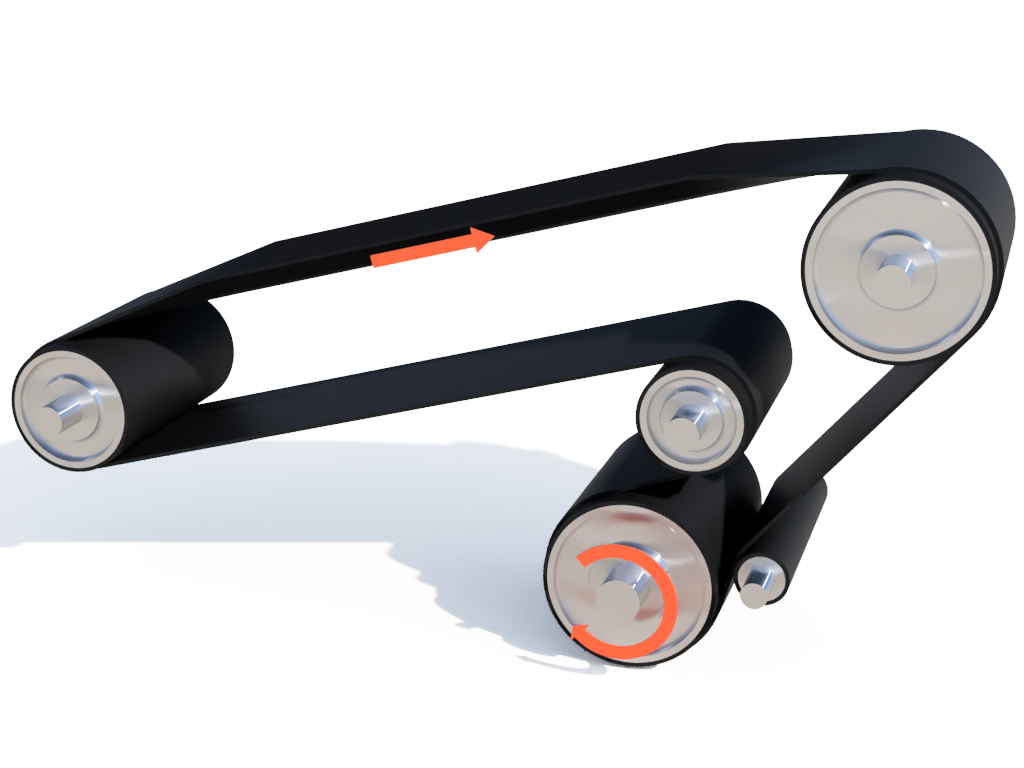
Figure 1: Simple Conveyor Schematic
Providing Drive
At the drive Pulley, sufficient traction is required to transfer the drive torque and power to the Conveyor Belt. The traction must be sufficient to deliver this power without slippage. Even momentary slippage can cause fire; excessive wear to the Conveyor Belt and Pulley Lagging; and Conveyor Belt tears or splice failures.
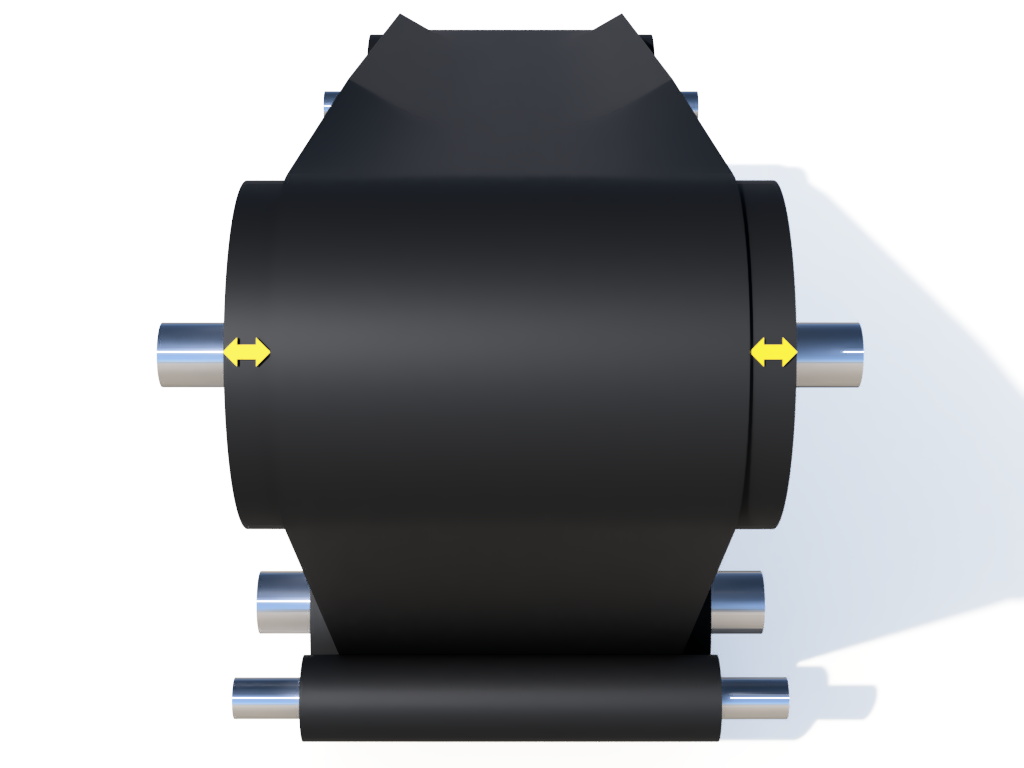
Figure 2: Belt Tracking at the Head Pulley
Stable Tracking
Stable Conveyor Belt tracking is critical for the safe, efficient and stable operation of the Conveyor Belt. This is required at every Pulley regardless of its position in the Conveyor Belt System or whether it is a drive Pulley or a non-drive. This is because a Conveyor Belt System is dynamic and the system must operate in all weather conditions for the region as well as during events of uneven loading. Unstable tracking will result in belt misalignment, which in turn can result in damage to the Conveyor Belt the conveyor structure and components; material spillage; jamming / stalling of the Conveyor Belt (which in turn can cause a fire at the position of the drive Pulley); and unsafe working conditions due to the increased risk of fire due to seized components and falling material.
Primary Function Two: Wear Protection
Excessive wear of the Conveyor Belt or Pulley Lagging caused by these dynamic interactions of the Conveyor Belt and Pulley can be mitigated through the right selection of Pulley Lagging. Pulley Lagging should ideally absorb the relative movement of the Conveyor Belt to prevent wear of the Conveyor Belt and the Pulley Lagging. In the case where wear is unavoidable Pulley Lagging should be viewed as the sacrificial material as it is far less expensive than the Conveyor Belt or Pulley and far less expensive to replace in terms of material costs, downtime costs and replacement job costs. It is important to note that bare Pulleys wear away quickly through normal operation of the Conveyor Belt.

Figure 3: Conveyor Belt Contracting Over the Drive Pulley
Changes in Tension at the Drive Pulley
Conveyor Belts can be conceptualised as large industrial elastic bands. As a section of the Conveyor Belt moves over the Drive Pulley, the tension drops off from the Drive Tension (T1) to the Return Tension (T2), this drop in tension causes a contraction in that section of Conveyor Belt and this contraction takes place on the Drive Pulley.
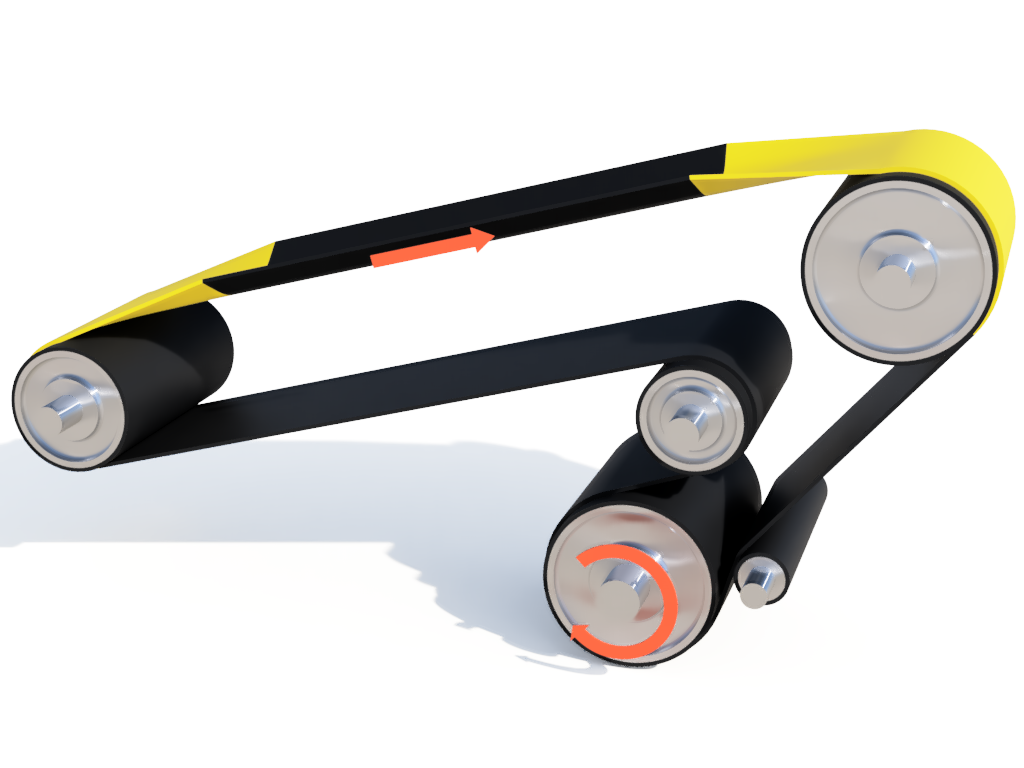
Figure 4: Transition Areas Affecting the Tail and Head Pulleys
Transitions
Non-Drive pulleys are also subject to the elastic behaviour of the Conveyor Belt over the Pulley Lagging surface, one common form of this is caused by the transition of the Conveyor Belt from troughed to flat, and vice versa, which causes different tensions and surface speeds of the Conveyor Belt across its width as it moves over a pulley.
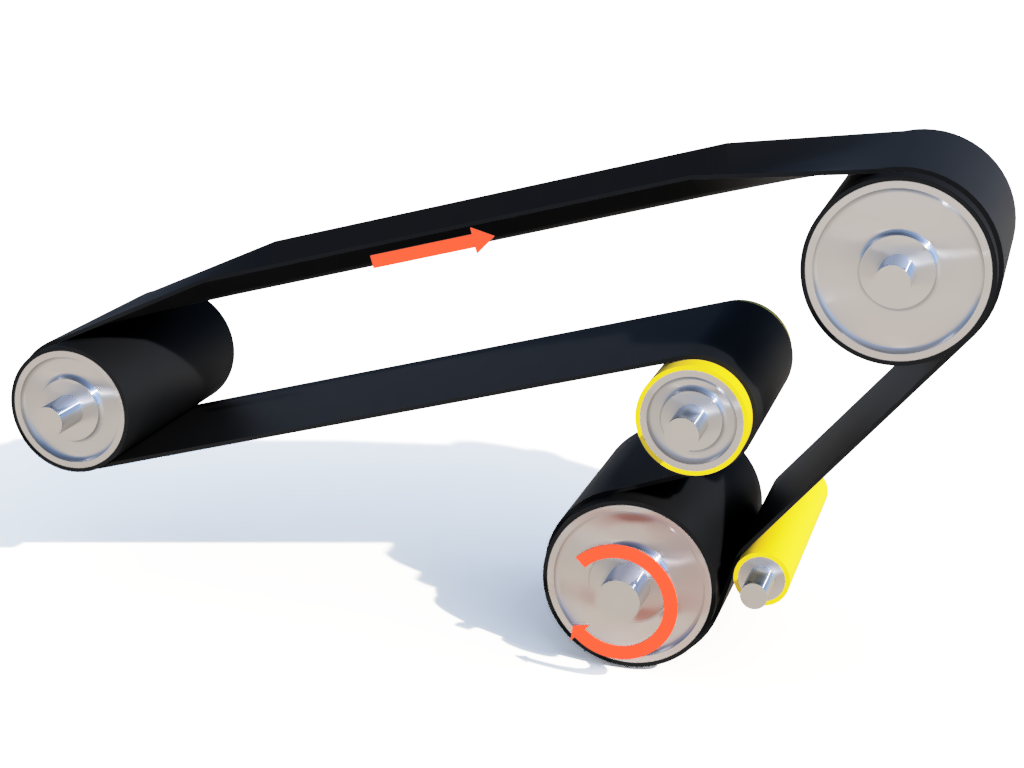
Figure 5: Carry-Back will Affect this Snub and Bend Pulley
Carry-Back
Other common causes of wear and this dynamic elastic behaviour are material carry-back and Conveyor Belt tracking and lateral movement.
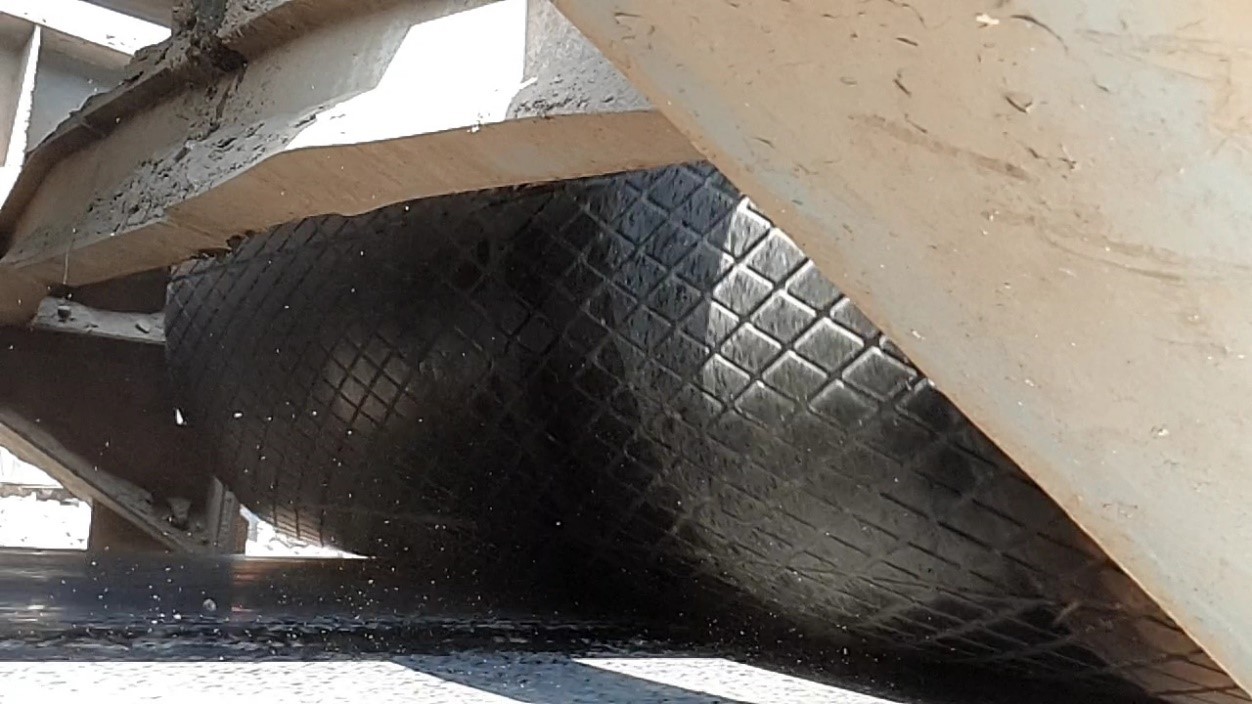
Figure 6: Tail Pulley Lagged by ABEAR in 2019 Providing Cushioning from Material Spillage
Cushioning
Pulley Lagging should provide a cushioning effect to prevent or reduce damage to the Conveyor Belt and Pulley caused by material and debris trapped between the Conveyor Belt and Pulley.
Additional Operational Requirements of Pulley Lagging
- Pulley Lagging should have a multi-year long and predictable service life so as not to introduce unplanned or frequent downtimes. The cost of downtime, especially unplanned downtime, is far greater than the marginal cost difference between a high-quality Pulley Lagging product and a low-quality one.
- Pulley Lagging should not wear away the Conveyor Belt. For example, rigid Pulley Lagging products such as Epoxy-Ceramic combinations are detrimental to the conveyor belt.
- Pulley Lagging should be replaceable on site, ideally in-situ to avoid excessive downtime and associated costs. For example, Cold-Bond Pulley Lagging with a genuine CN bonding layer such as what is manufactured by ABEAR Industrial allows for this.
- Pulley Lagging should not introduce vibration into the system. Wide horizontal grooves such as those seen on outdated Pulley Lagging product designs introduce vibration and reduce the life of the drive components (bearings, gearboxes and couplings). In addition to a modern design, ABEAR Industrial’s Pulley Lagging products have a variable tread pattern to avoid introducing vibration.
- Pulley Lagging should not damage or risk damaging other components. For example, the risk of Weld-On Pulley Lagging is longitudinal tears in the Conveyor Belt and damage to Scrapers when the Pulley Lagging fails.
- The choice of Pulley Lagging design and material must consider Fire Safety. Pulley Lagging must dissipate static charge to prevent electrical arcing / sparks; the Conveyor Belt has the potential to generate static charge in the same way that a Van Der Graaff Generator does. We strongly recommend that Drive Pulleys should be Lagged with a Fire Resistant rubber compound, even if the Conveyor Belt System is an overland one; it is a marginal additional cost that dramatically reduces Fire Risks due to Conveyor Belt Slippage or Stalling.
- Pulley Lagging must be suitable for the operating conditions, including but not limited to temperature fluctuations, weather conditions and the type of material being conveyed. For example, Epoxy-Ceramic Pulley Lagging cannot handle temperature fluctuations as it has a different thermal coefficient of expansion to steel, so a significant rise or drop in temperature results in debonding of the Epoxy-Ceramic Pulley Lagging.