
Technical Articles

The Basics of Pulley Lagging: Part 1
The Primary Functions of Pulley Lagging and Conveyor Belt Interactions
Part 1 of our series to learn about Pulley Lagging.
Understanding the Primary Functions of Pulley Lagging, such as traction and wear protection, and how the Pulley Lagging interacts with the Conveyor Belt are paramount to an efficient and stable Conveyor Belt System.

The Basics of Pulley Lagging: Part 2
Material Options and Tread Patterns
Part 2 of our series to learn about Pulley Lagging. Part 3 is coming soon...
This article covers the material options available and the influence of the tread pattern on the performance of the Pulley Lagging.

Understanding Rubber Specifications
Unlike steel alloys, rubber compounds are not universally defined, which often leads to misconceptions about their performance. Standardised testing methods also vary between regions and, in many cases, do not correlate well. As a result, the importance of material specifications is frequently underestimated.
This article outlines some of the key properties of rubber and provides guidance on what to consider when assessing compound options; helping buyers and engineers make informed, reliable decisions.
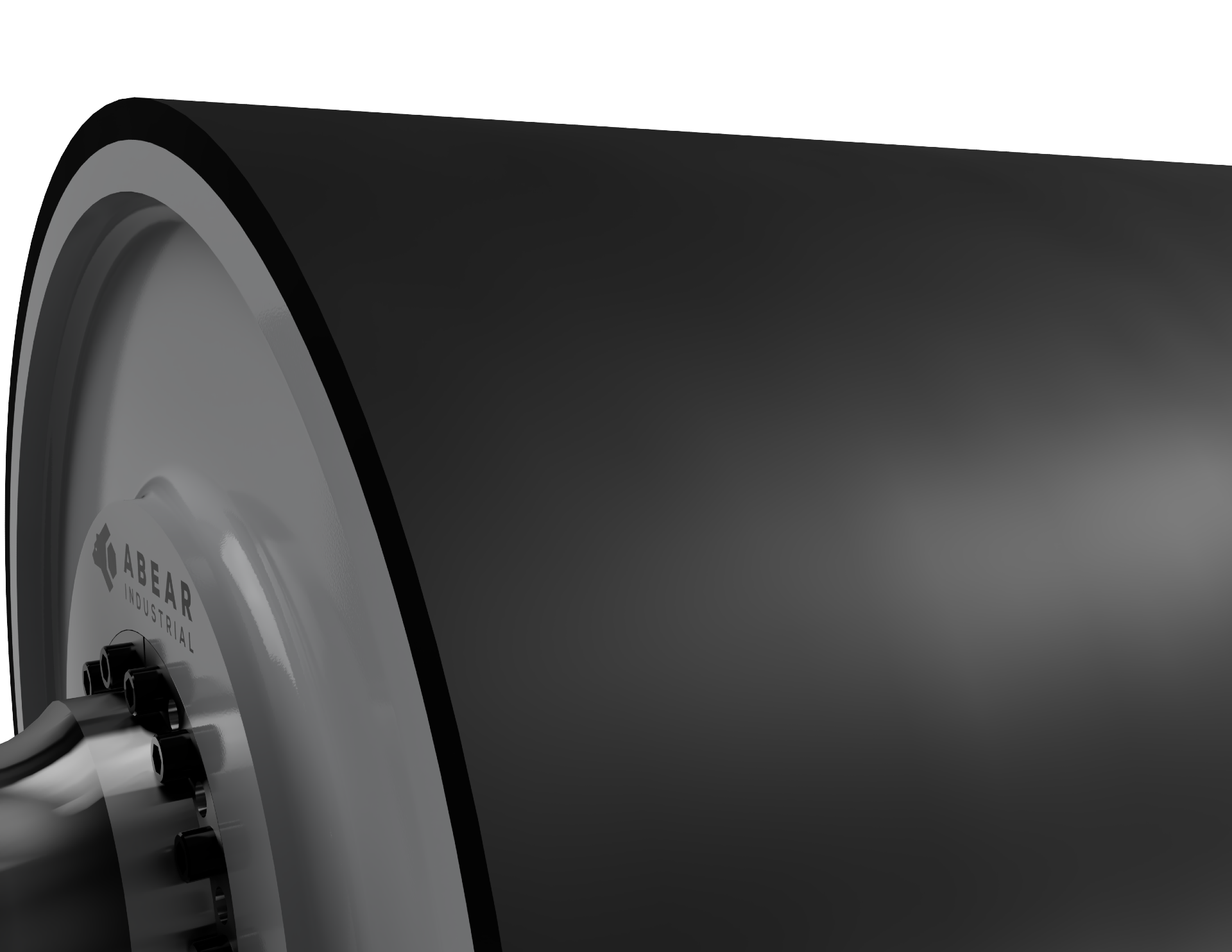
Plain Pulley Lagging Should be Avoided
We strongly advise against the use of plain pulley lagging in almost all conveyor belt systems. It is an outdated product that, unfortunately, is still sometimes specified by certain engineering design houses.
This article explains the science behind our recommendation and details why plain lagging should be avoided in favour of modern, engineered solutions.